Garage Gym Storage Ideas: What to Organize First in a Home Gym
Choose what to organize first so the floor, rack, and walk path stay usable.

Plan the space. Clear the lane. Train without the clutter. Start with the clutter that blocks workouts, map your zones, then choose storage that actually fits.
Measure the garage, choose the storage path, and turn the plan into a printable checklist before buying more equipment.
See the Garage Gym Reset KitPick the starting point that matches your garage problem, then jump straight to the guide or planner that helps you measure, clear, and organize the space.
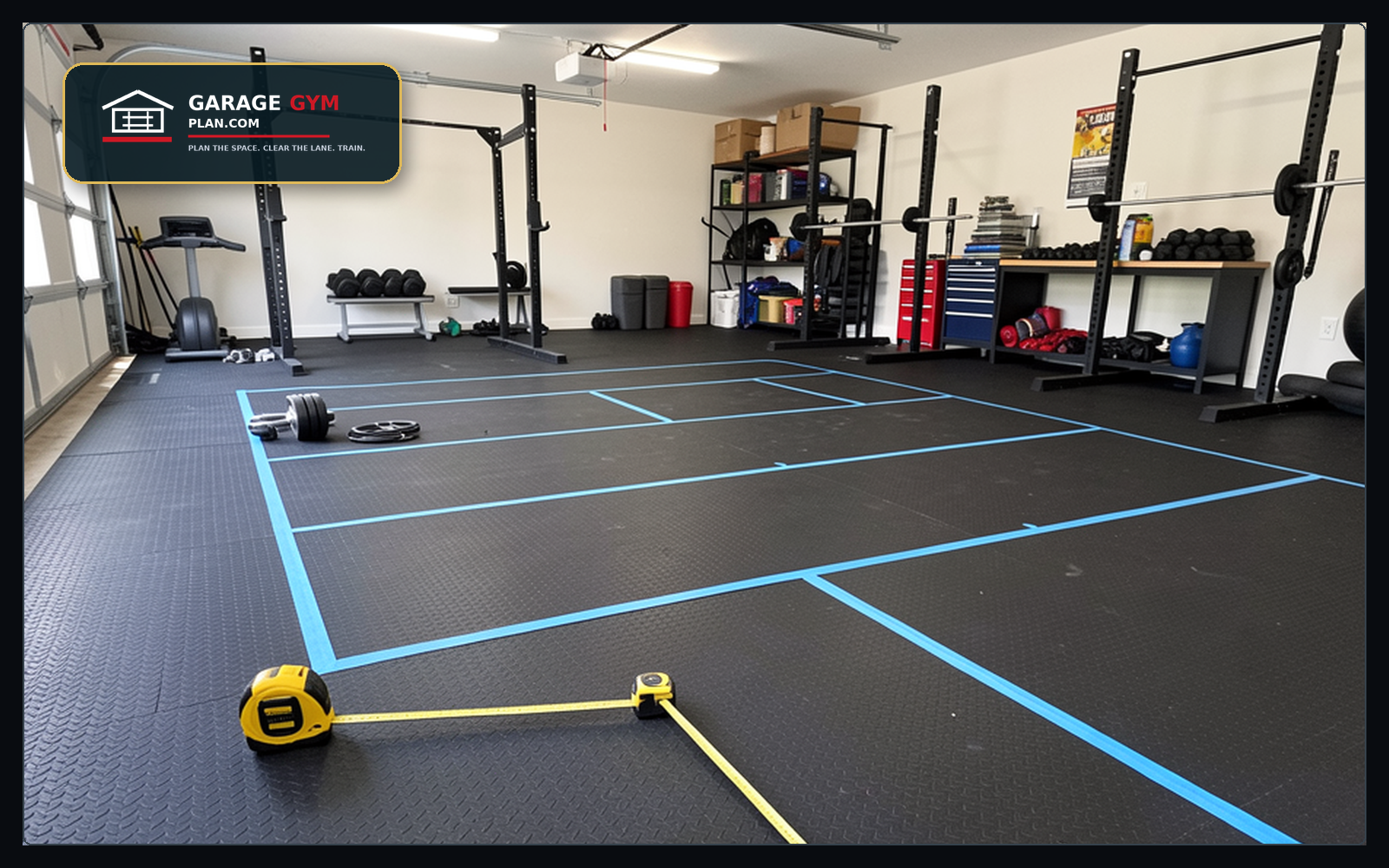 Layout cheat sheetPlan rack, wall storage, plate zone, walking lane, and car clearance before buying.
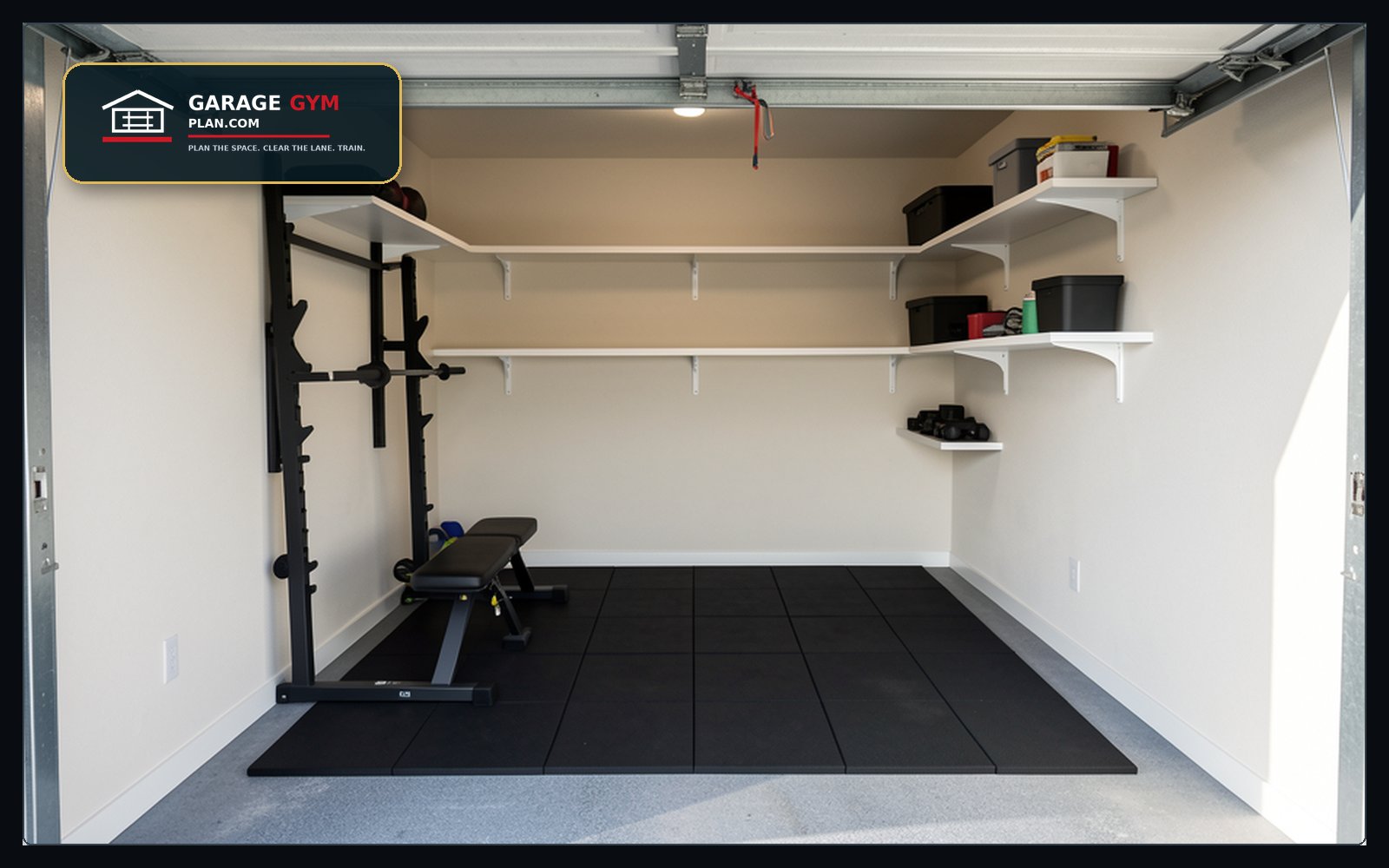 One-car or shared garageKeep car clearance, walk paths, and the training lane usable.
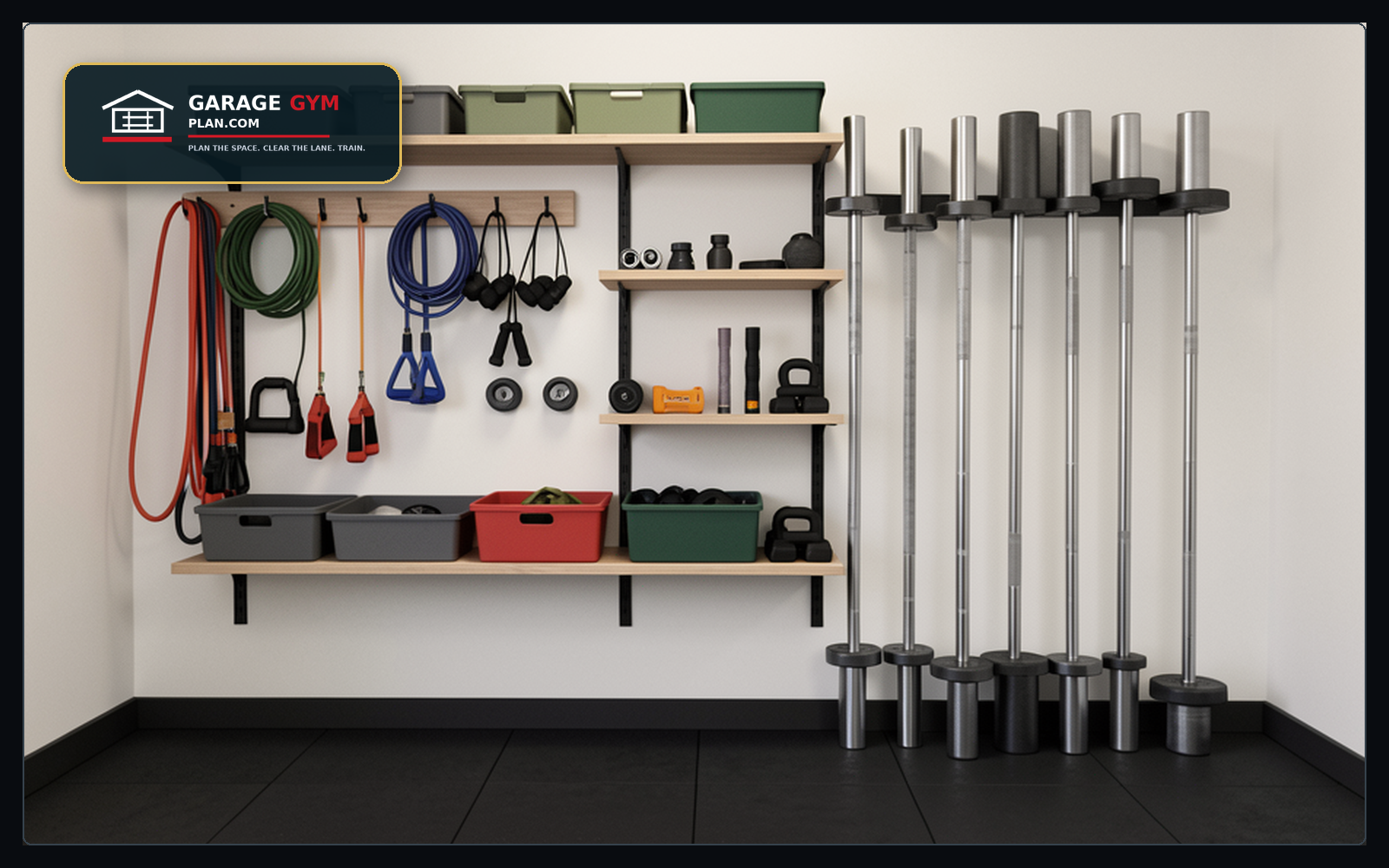 Wall storage and hooksMove gear off the floor without blocking doors or the rack path.
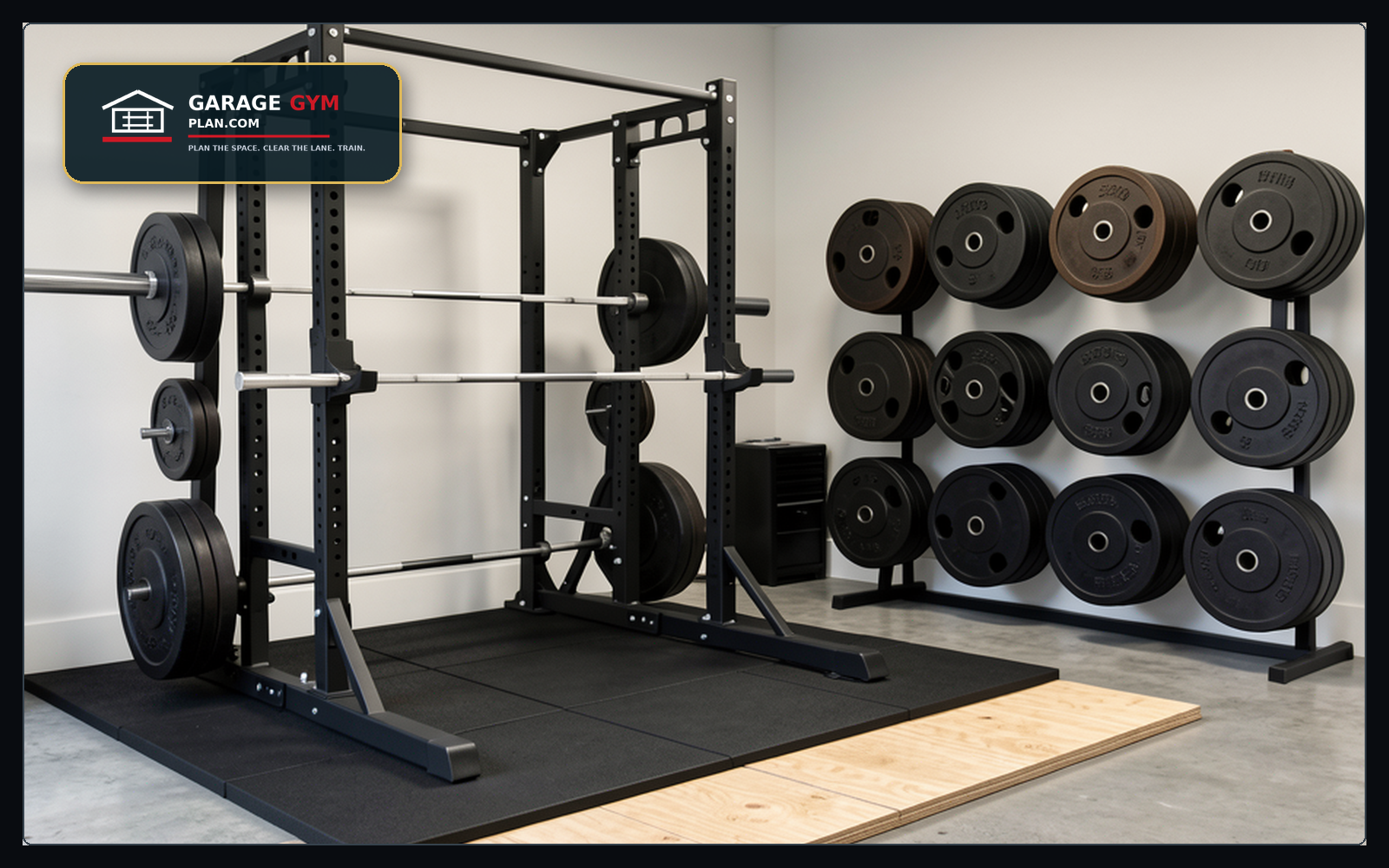 Barbell storageCompare vertical storage, wall racks, and clearance needs.
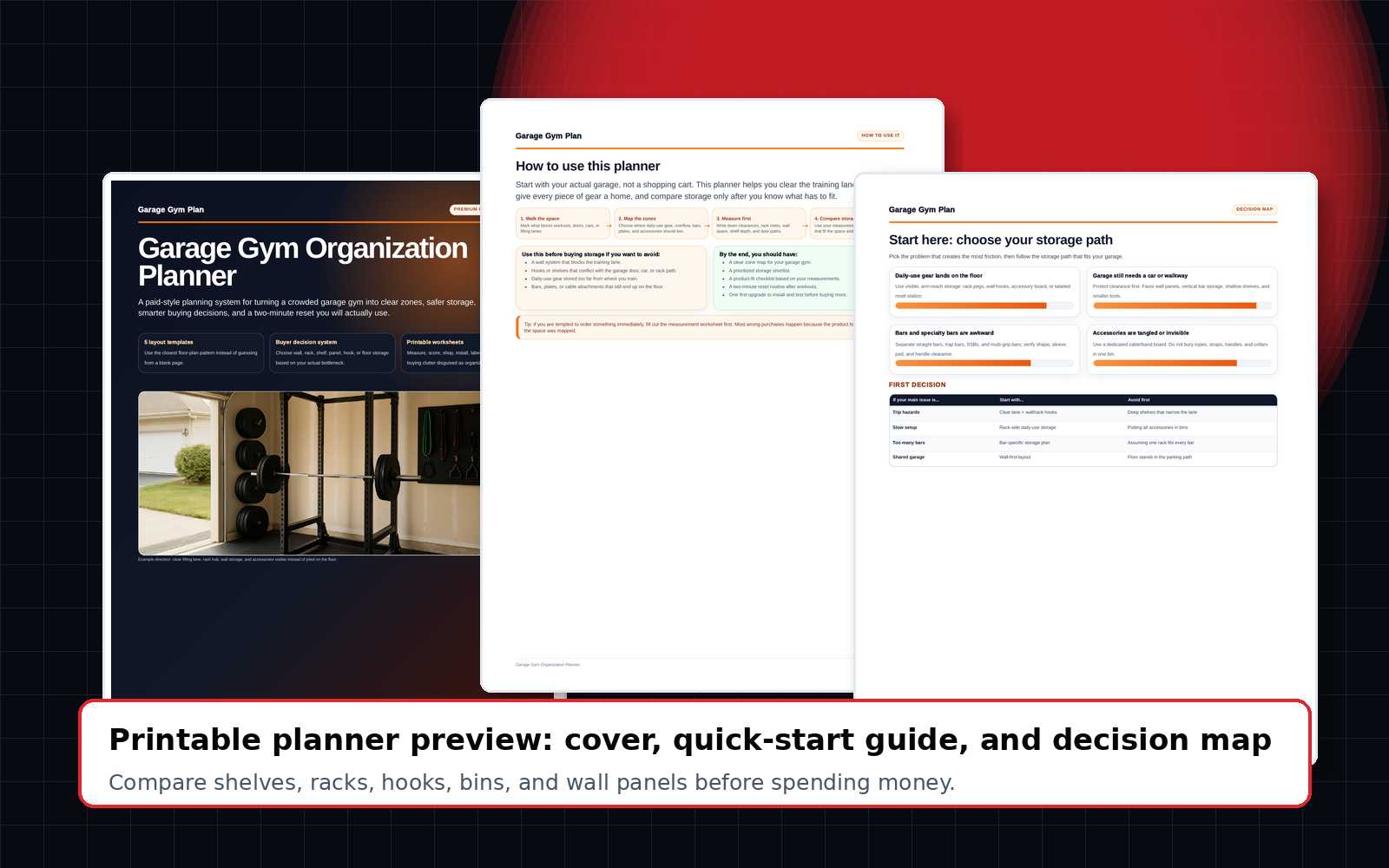 GARAGE RESET KITMap the space, score priorities, and use the short preview before buying.
The planner is built for car clearance, wall hardware, plates, bars, bins, shelves, and reset zones—not vague boxes that hide the real decisions.
Choose what to organize first so the floor, rack, and walk path stay usable.
Print the step-by-step reset checklist before buying more storage.
Plan hooks, rails, panels, and wall zones without creating unsafe clutter.
Compare vertical holders with wall-mounted options before storing bars upright.
Compare bar count, wall clearance, mounting needs, and small-garage fit.
Organize handles, ropes, bars, cuffs, and straps so cable workouts start faster.
Use these launch-batch guides to choose the right small-space layout before buying racks, flooring, storage, or accessories.
Choose a small-room layout, protect the training rectangle, and sequence the first equipment buys.
Plan rack clearance, car space, storage walls, flooring zones, and reset-friendly equipment.
Split a garage into training, parking, storage, and walking zones without daily friction.
Keep bars, plates, dumbbells, bands, and accessories from stealing the workout lane.
These guides turn the site into a practical planning system: flooring, rack fit, budget sequence, used-equipment checks, and the main garage-gym idea router.
Choose mats, rolls, tiles, or a platform after mapping the training zone and expansion budget.
Score rack height, pull-up clearance, door tracks, barbell loading, and bench paths before buying.
Split purchases into train-now essentials, fit/safety, storage, accessories, and buy-later upgrades.
Check dimensions, missing parts, condition, pickup logistics, and room fit before marketplace deals.
Use the hub to route from inspiration into layout, flooring, rack fit, storage, and budget planning.
A good garage gym plan is not a shopping list first. It is a sequence that protects floor space, keeps the safest lifting path open, and prevents every new piece of equipment from creating another storage problem.
Start with the movements you do every week: squats, pressing, deadlifts, dumbbell work, conditioning, mobility, or family workouts. Tape the rack depth, bench pullout, bar path, plate loading side, and walk lane before you buy another shelf. If a car still shares the garage, measure the door swing, mirror clearance, and the space needed to move around hot equipment after a workout.
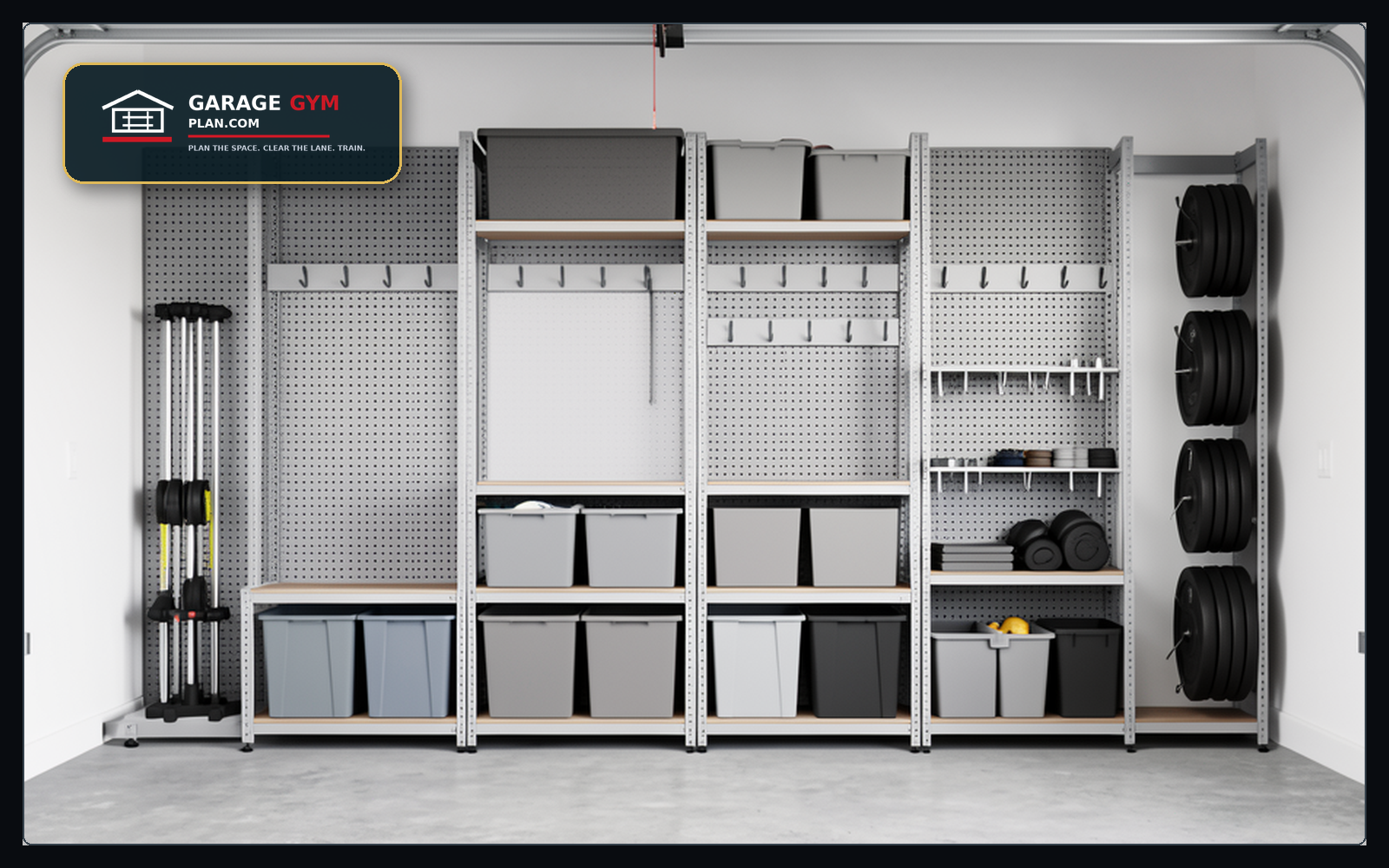
Daily items belong between waist and shoulder height. Heavy plates stay low and close to the rack. Specialty bars, cable handles, bands, collars, tools, cleaning gear, and chalk need visible homes so they do not drift onto the floor. The best garage gym storage ideas are boring on purpose: one wall for strength gear, one small zone for accessories, and a reset habit that takes less than five minutes.
Use the planner pages to compare one-car, half-garage, low-ceiling, and two-car layouts before committing to racks or flooring. Choose flooring thickness after you know where deadlifts happen. Choose rack height after checking ceiling joists, opener rails, lights, and overhead storage. Choose storage systems after confirming that plates, bars, dumbbells, kettlebells, and attachments can be returned without crossing the main lifting lane.
That order keeps the site’s guides connected: start with garage gym ideas, confirm the layout cheat sheet, check rack and ceiling clearance, pick flooring, then use the organization planner and storage ideas to make the space easier to reset after every session.
The site is organized around the full planning sequence: layout, measurements, flooring, rack fit, storage, budget, used equipment, and room-specific ideas.
Use this guide as part of the planning-first garage gym system.
Use this guide as part of the planning-first garage gym system.
Use this guide as part of the planning-first garage gym system.
Use this guide as part of the planning-first garage gym system.
Use this guide as part of the planning-first garage gym system.
Use this guide as part of the planning-first garage gym system.
Use this guide as part of the planning-first garage gym system.
Use this guide as part of the planning-first garage gym system.
Use this guide as part of the planning-first garage gym system.
Use this guide as part of the planning-first garage gym system.
Use this guide as part of the planning-first garage gym system.
Use this guide as part of the planning-first garage gym system.
Use these next guides to plan the layout, flooring, rack fit, storage, safety, and buying sequence before the garage fills back up.
One-Car Garage Gym LayoutOne-car garage gym layout guide for rack placement, storage walls, walking lanes, and equipment sequencing when space is tight.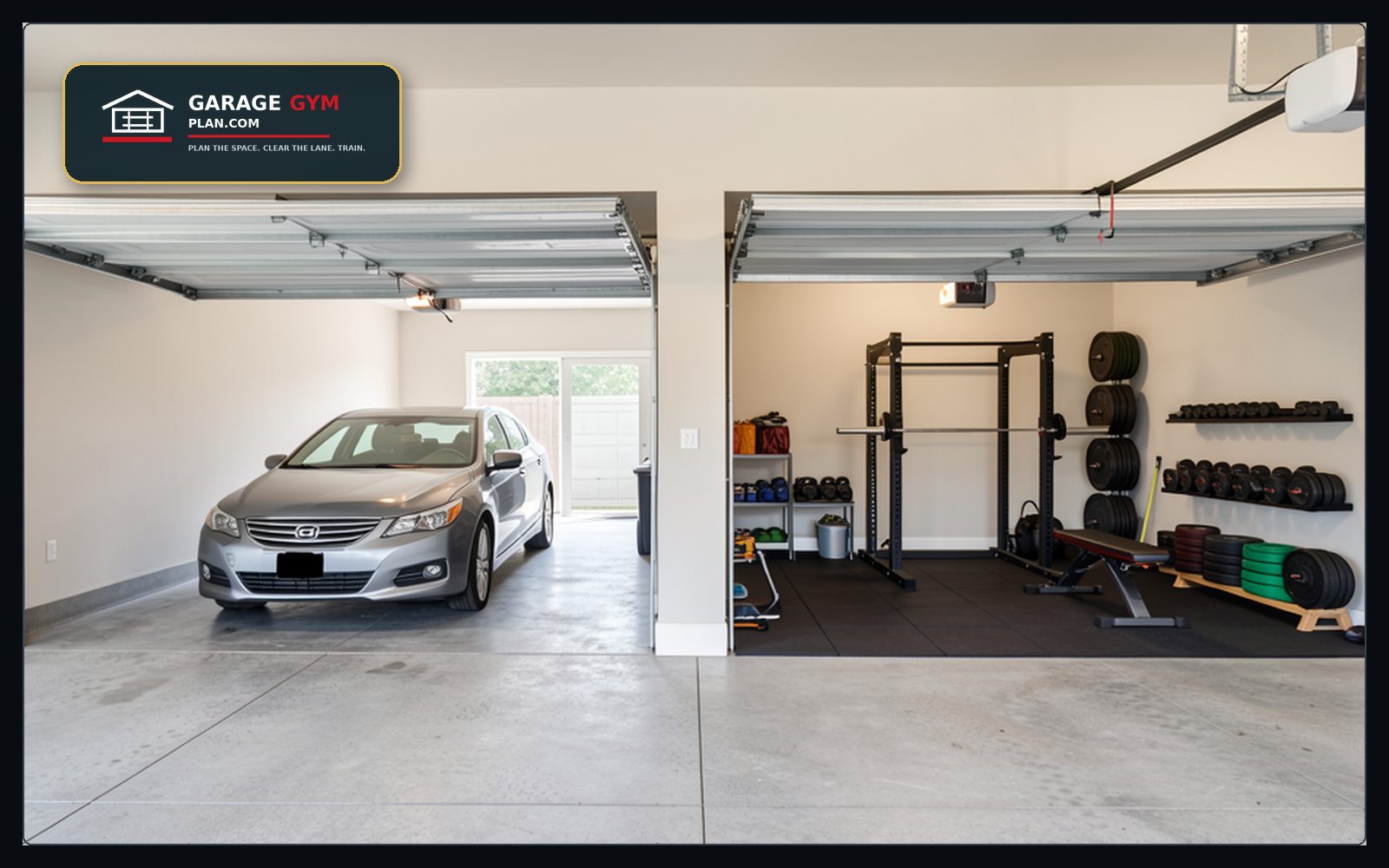 Two-Car Garage Gym LayoutTwo-car garage gym layout guide for half-bay gyms, full-bay gyms, shared storage, rack placement, and car clearance.
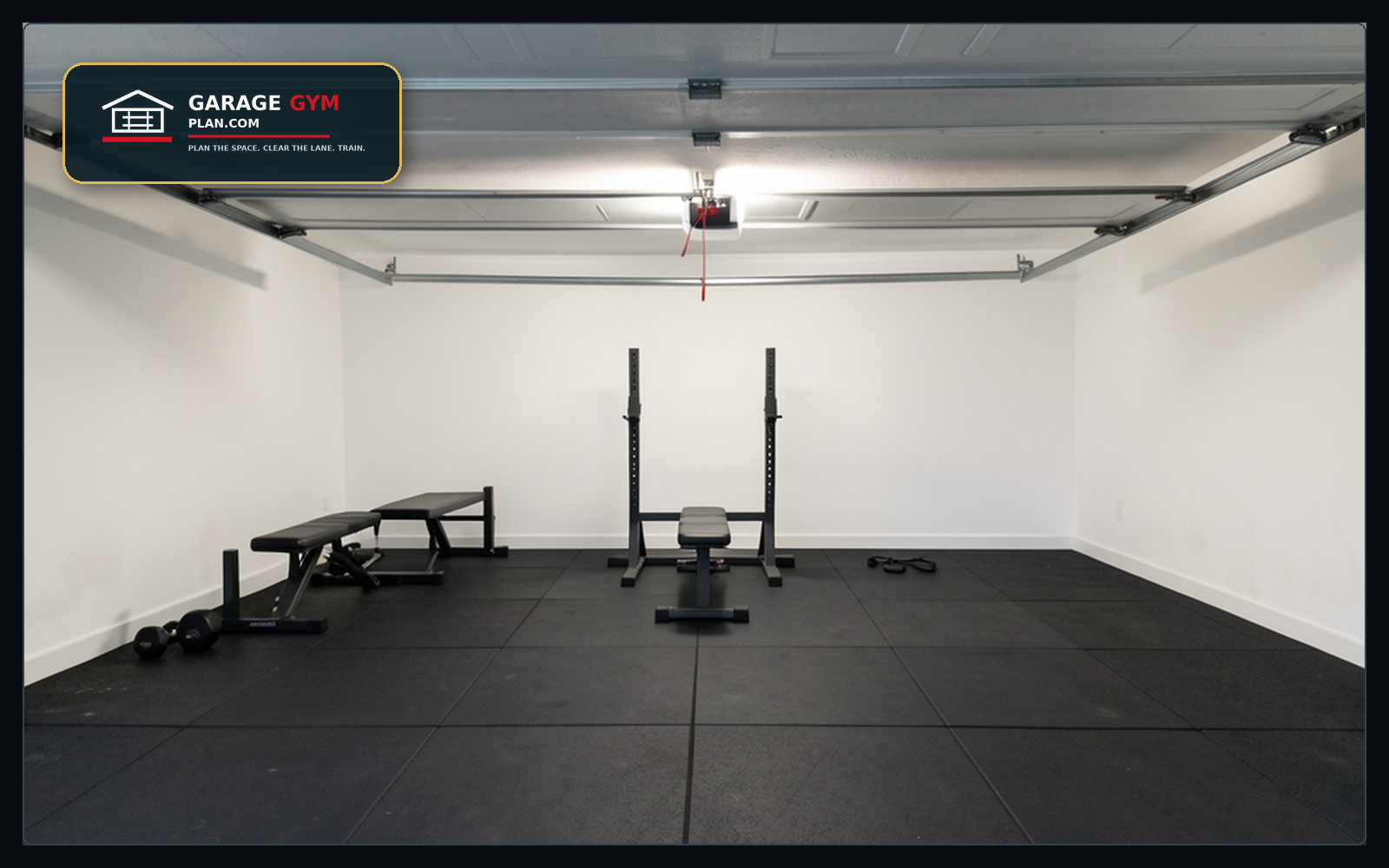 Low-Ceiling Garage Gym LayoutLow-ceiling garage gym layout guide for racks, squat stands, pull-up bars, presses, storage height, and safe movement clearance.
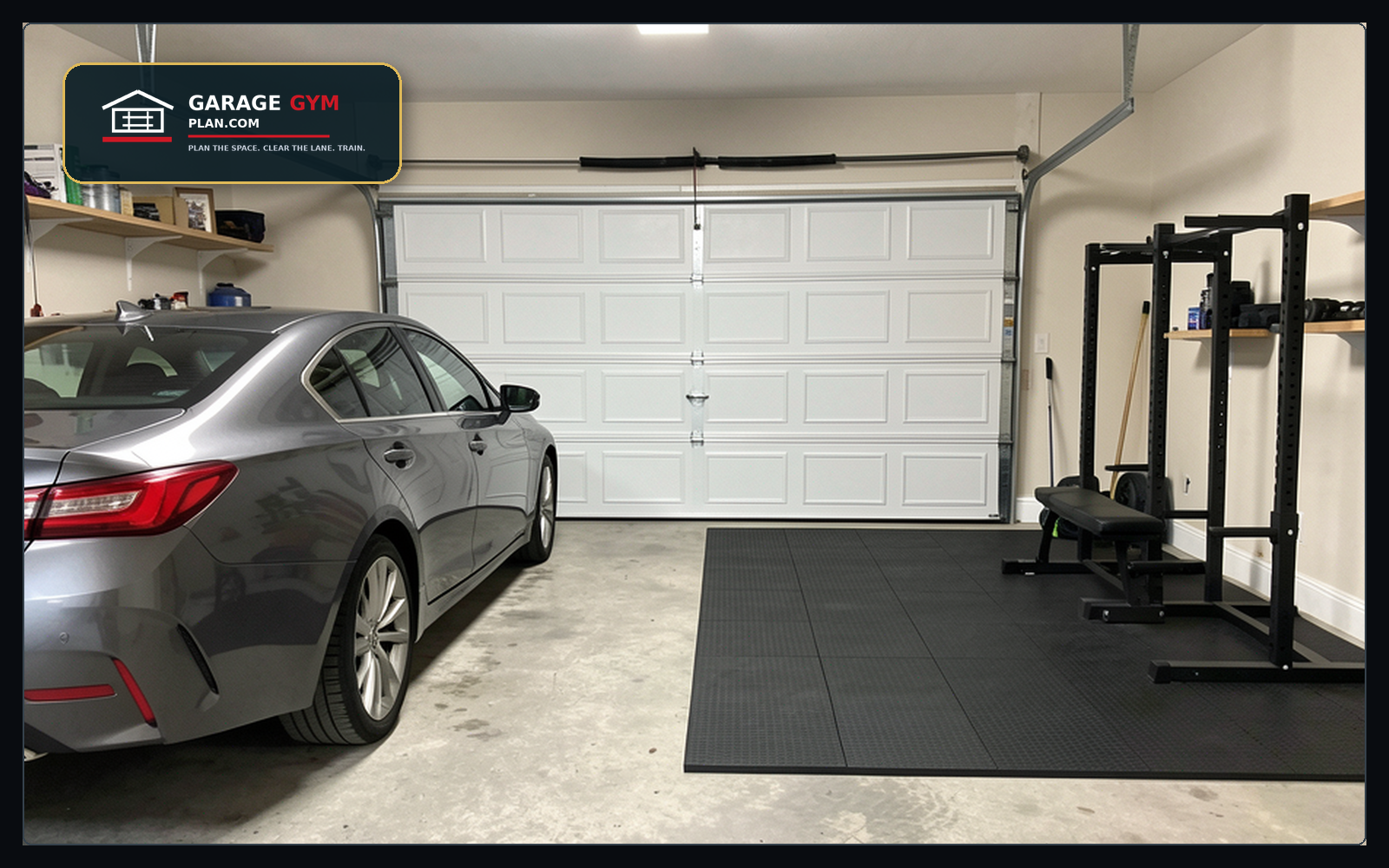 Garage Gym With a Car Parked InsideHow to plan a garage gym with a car still parked inside, including fold-away zones, wall storage, car-door clearance, and workout setup order.
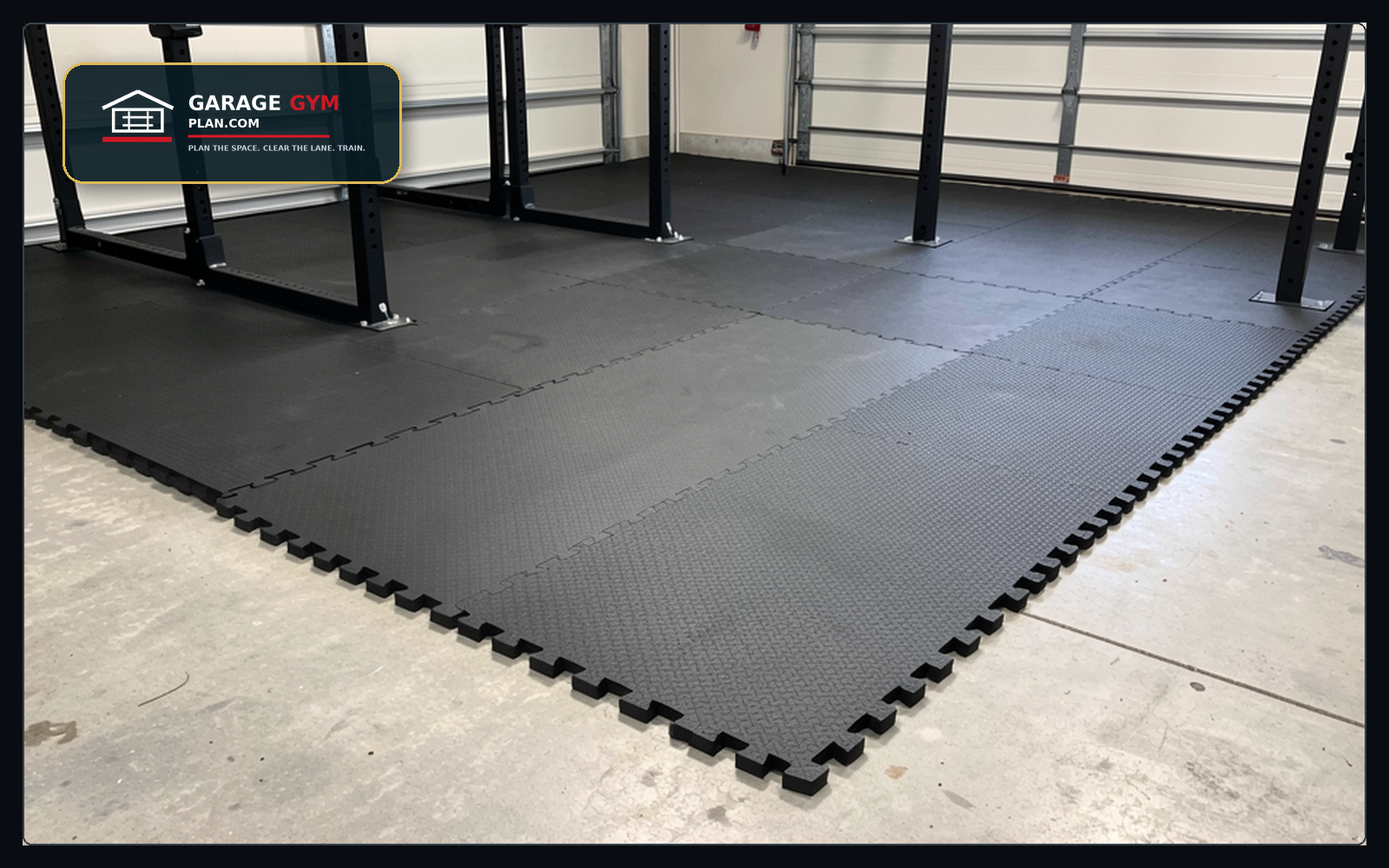 Horse Stall Mats for Garage GymsHorse stall mats for garage gyms explained: where they fit, smell and ventilation considerations, thickness, seams, cutting, and buying checks.
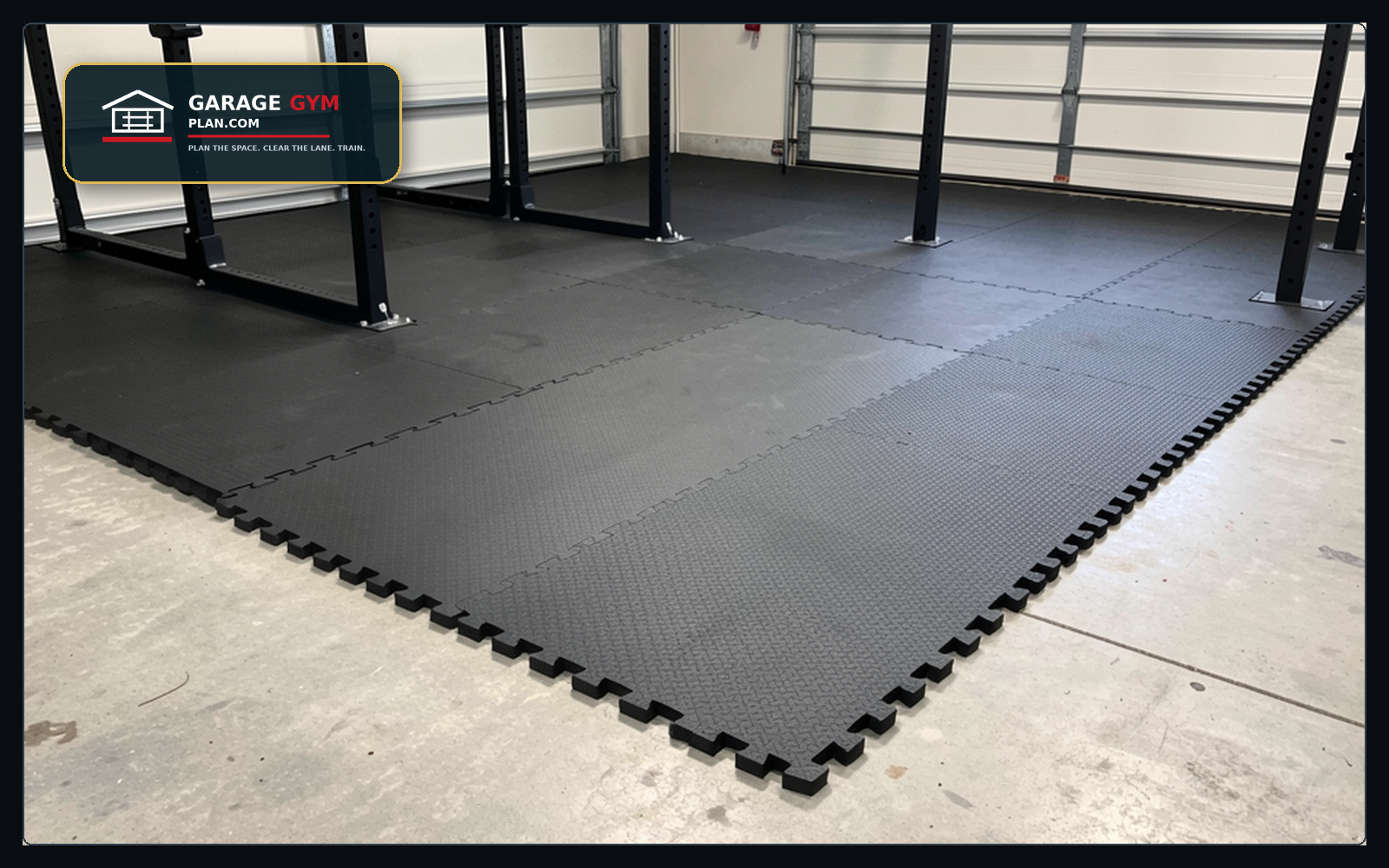 Garage Gym Flooring Thickness GuideGarage gym flooring thickness guide for lifting areas, rack zones, cardio corners, rolling storage, and shared parking spaces.Plate Storage for Garage GymsPlate storage for garage gyms, including plate trees, wall pegs, rack-mounted storage, bumper plates, change plates, and loading-zone placement.
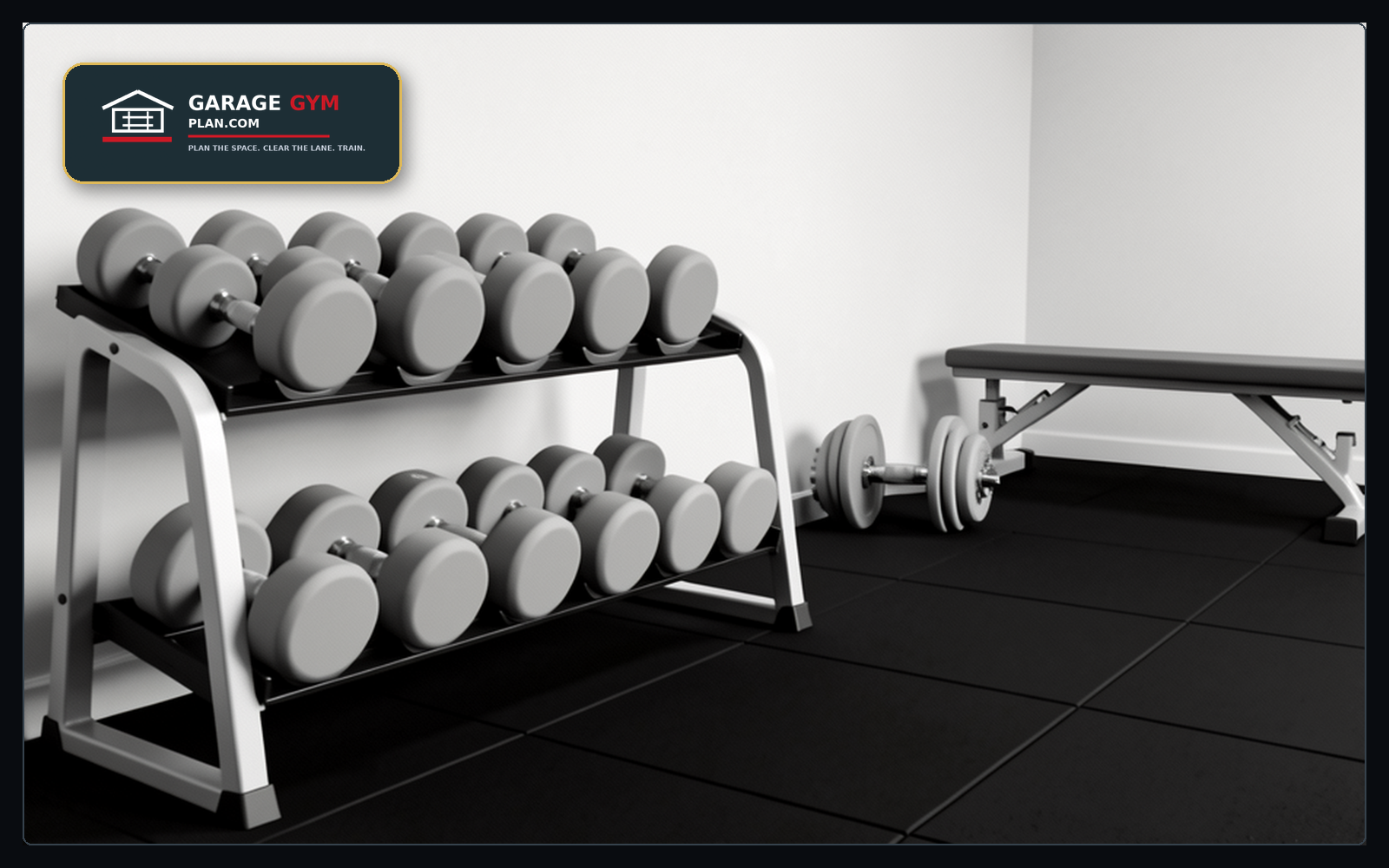 Dumbbell Storage for Garage GymsDumbbell storage for garage gyms with rack placement, shelf height, adjustable dumbbells, fixed pairs, walkway clearance, and shared-space planning.
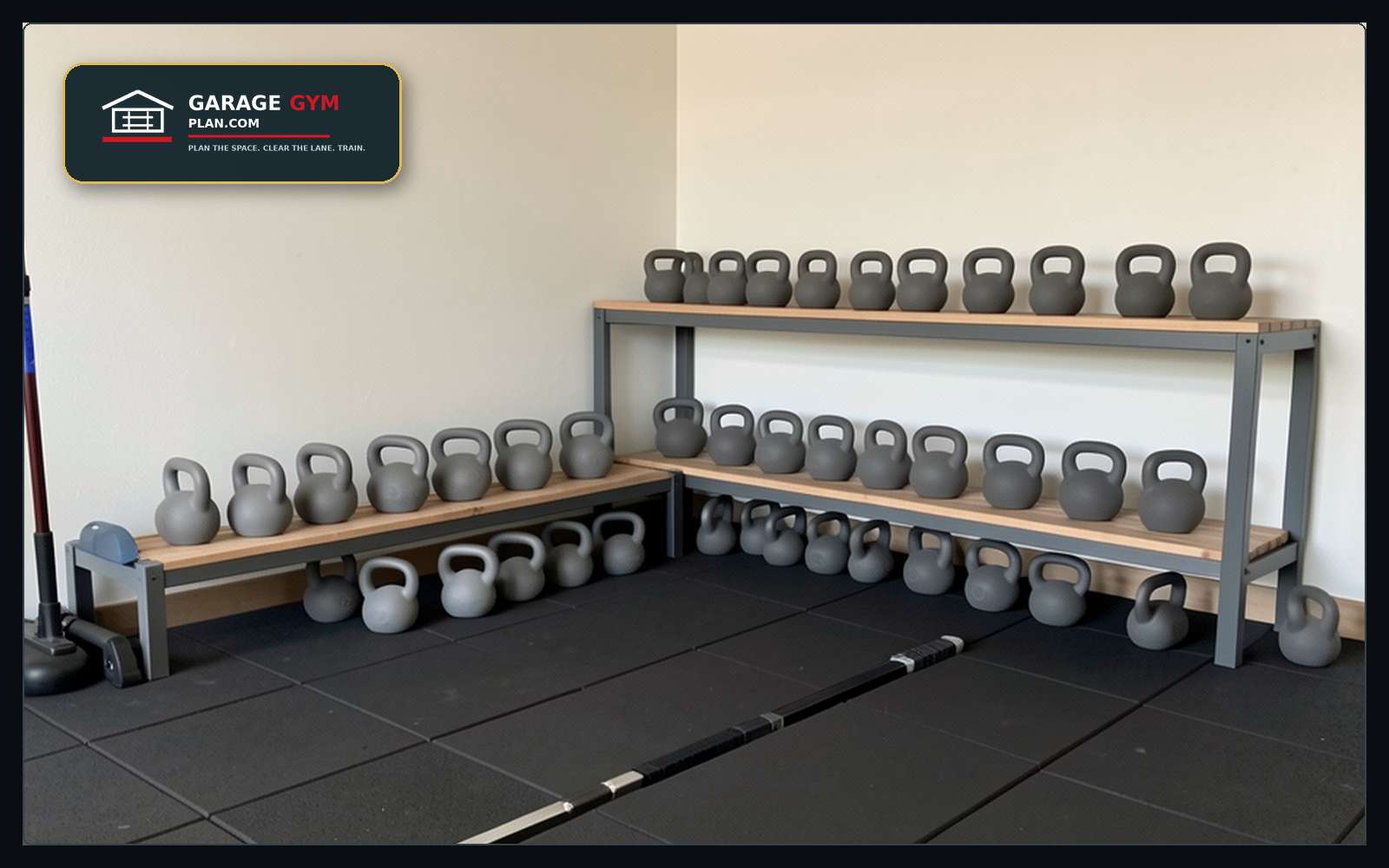 Kettlebell Storage for Garage GymsKettlebell storage for garage gyms with floor zones, shelves, labels, handles, swing clearance, and small-space organization.
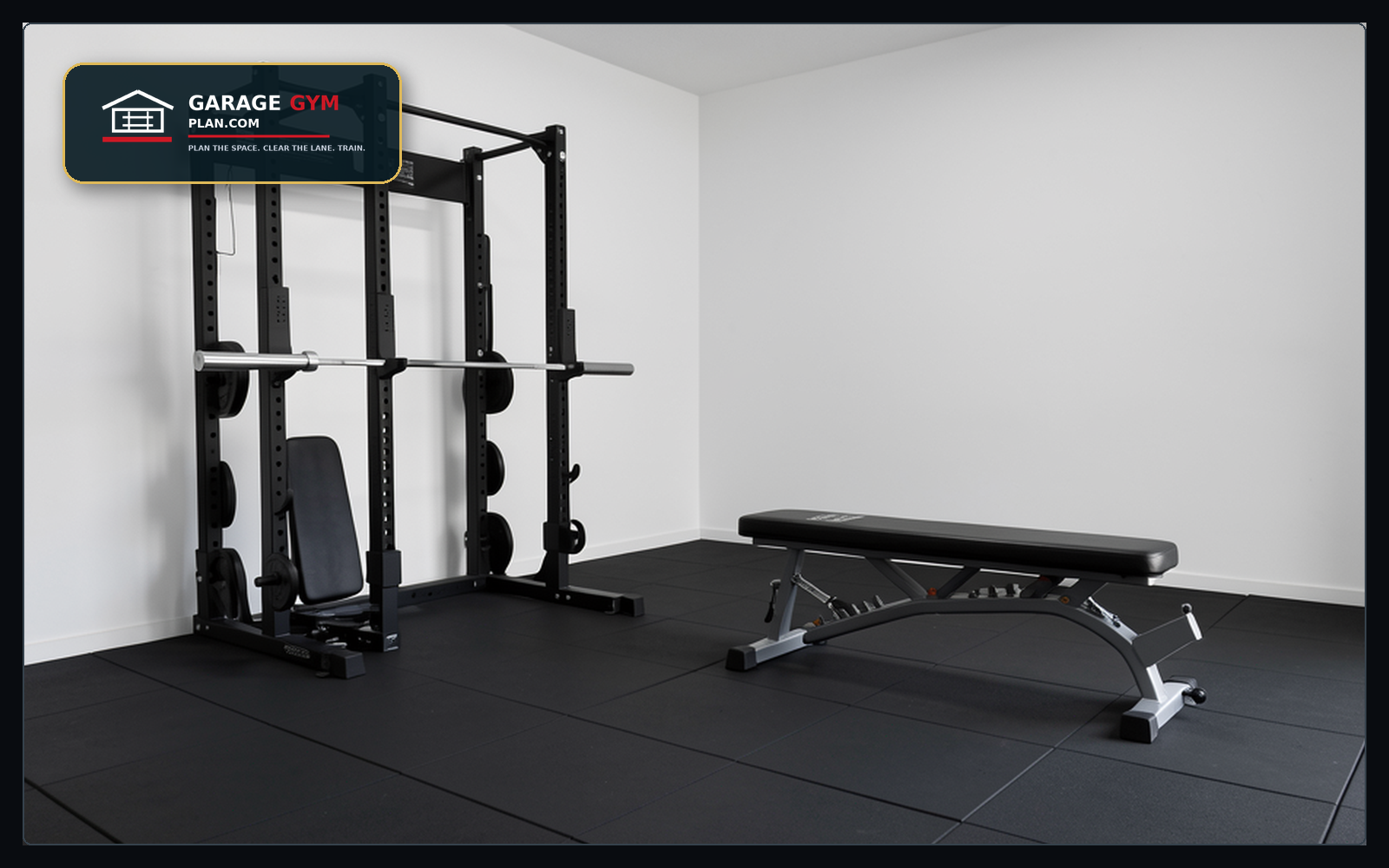 Bench Storage and Bench Footprint Guide for Garage GymsBench storage and bench footprint guide for garage gyms, including flat benches, adjustable benches, vertical storage, rack clearance, and car sharing.
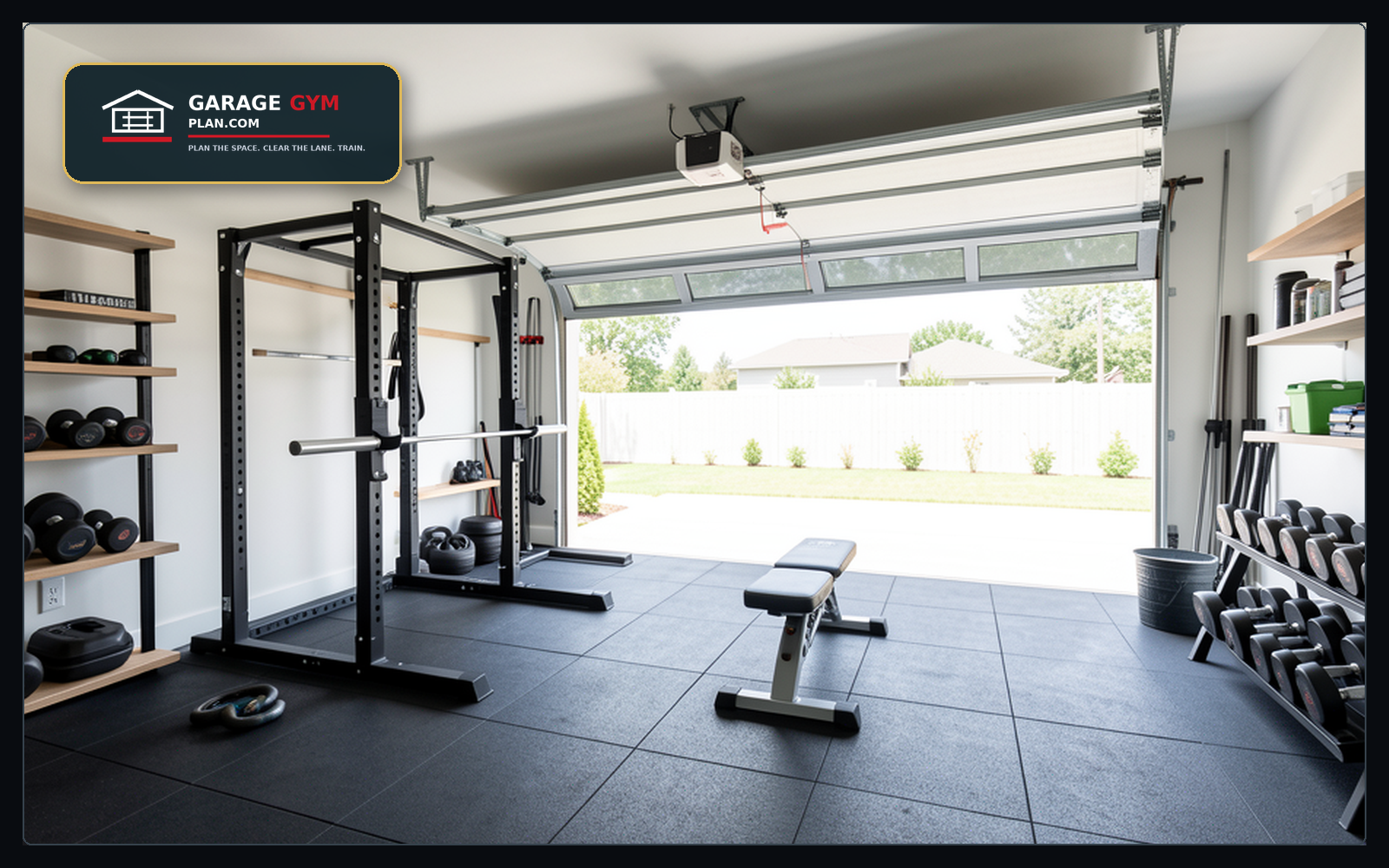 Folding Rack vs Power Rack vs Squat Stand for a Garage GymCompare folding racks, power racks, and squat stands for garage gyms by footprint, stability, setup speed, ceiling clearance, and storage needs.
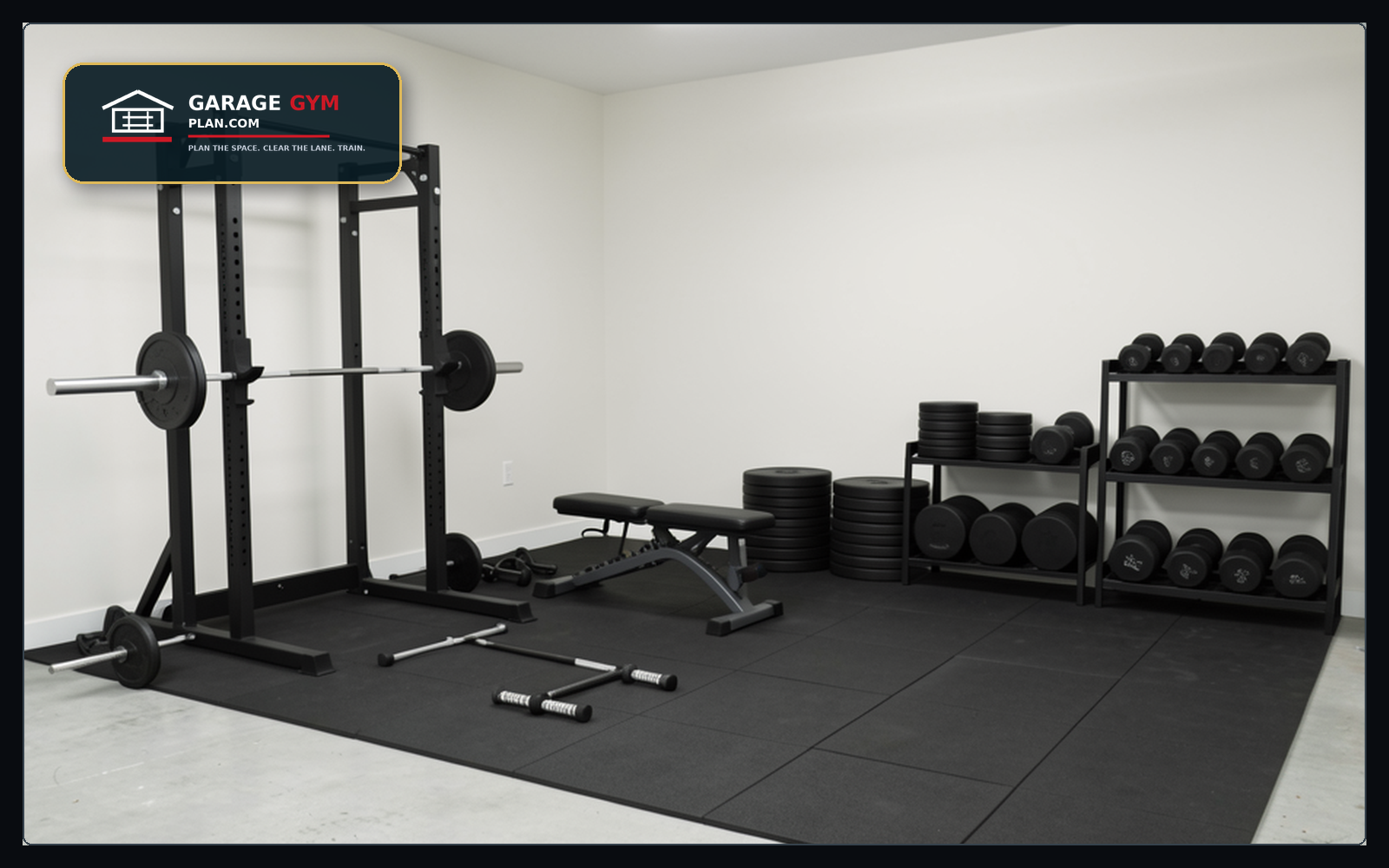 What to Buy First for a Garage GymWhat to buy first for a garage gym, including flooring, rack, weights, bench, storage, accessories, cardio, and planning sequence.
Use these numbers as planning checks, not as live product claims. Final purchases should be verified against the current listing and manufacturer instructions.